











By Michael Onjewu
China’s expanding coffee market and its zero-tariff policy for products from eligible African countries are creating fresh opportunities for agricultural trade between China and Africa, with coffee and cocoa emerging as key beneficiaries.


The prospects were highlighted during a visit by African journalists to Kunshan in Jiangsu Province as part of the 2026 China-Africa Audiovisual Culture Exchange Week, where participants explored the city’s rapidly growing coffee industry and its links with international suppliers.

The visit showcased how China’s expanding consumer market could provide new export opportunities for African agricultural producers.
### Kunshan’s coffee ecosystem
Kunshan has transformed its coffee sector from a modest consumer market into a thriving industrial ecosystem that includes coffee processing, equipment manufacturing, logistics, retail, tourism and cultural activities.
Yang Huihan, Team Lead of Kunshan Coffee Industry Creativity Company, said the city has witnessed remarkable growth in coffee-related businesses since 2020, with the industry generating employment, boosting local economic activity and increasing tax revenue.
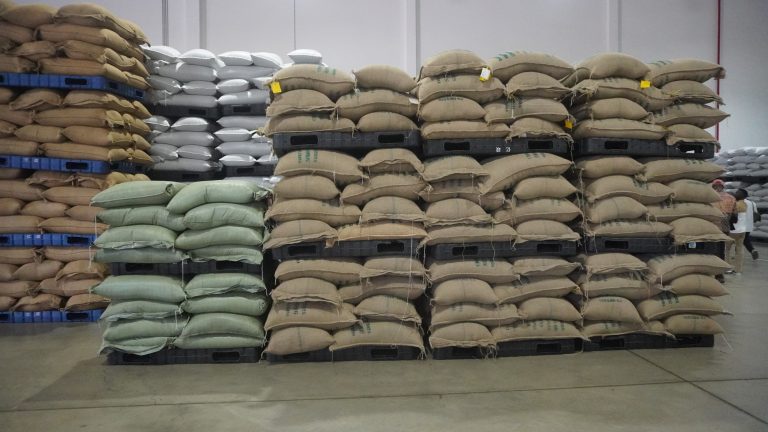
She explained that Kunshan hosts factories that roast imported green coffee beans for both Chinese and international brands, alongside companies producing coffee equipment and managing distribution and retail networks.
### Rising demand for African coffee
Yinghao Tang, Manager of Cafebreak, said the company currently imports coffee beans from Brazil and several African countries, including Ethiopia, Uganda, Tanzania and Kenya.

According to Tang, China’s zero-tariff treatment for eligible African products has encouraged plans to increase imports from the continent.
“At present, the company imports over 10,000 tonnes of coffee beans from Africa,” he said.
He noted that expanding purchases from Africa would benefit both Chinese manufacturers and African producers seeking greater access to the Chinese market.

Cafebreak produces a range of specialty coffee products, including Ethiopia Sidamo, Yirgacheffe drip coffee, Mandheling coffee beans and floral drip coffee blends.
### Beyond coffee: Opportunities for cocoa
Industry observers say the opportunities extend beyond coffee to cocoa, another major African export commodity.
Africa remains the world’s largest cocoa-producing region, with Côte d’Ivoire, Ghana, Nigeria and Cameroon among the leading producers. China’s preferential tariff policy could improve the competitiveness of these products and help diversify export destinations for African economies.
However, stakeholders argue that tariff preferences alone will not guarantee success. They say African producers must also strengthen production capacity, quality standards, processing, packaging, branding and logistics to compete effectively in the Chinese market.
### Building stronger value chains
The Kunshan model demonstrates how a single agricultural commodity can support a wider industrial value chain involving manufacturing, retail, tourism and cultural enterprises.
Analysts believe similar partnerships between African cocoa producers and Chinese companies could encourage greater investment in cocoa processing, chocolate manufacturing, packaging and distribution, allowing African economies to retain more value from their agricultural exports.
For China, increased imports from Africa also support efforts to diversify agricultural supply sources while meeting the demands of its growing consumer market.
### African journalists see potential
Emmanuel Kollie of the Liberian Broadcasting Service, who participated in the Kunshan visit, said the experience offered valuable insight into how coffee can drive employment and economic development.
“This is one thing we Africans are concerned about in terms of how we can market our cocoa and coffee,” he said.
Kollie noted that Liberia produces significant quantities of coffee and cocoa and called for stronger commercial partnerships between Chinese businesses and African producers.
He said increased Chinese investment and sourcing from African agricultural economies would create mutual economic benefits while strengthening China-Africa trade relations.
As demand for coffee, cocoa and other agricultural products continues to rise in China, Kunshan offers a practical example of how preferential trade policies can translate into deeper economic cooperation and expanded market opportunities for African exporters.
