











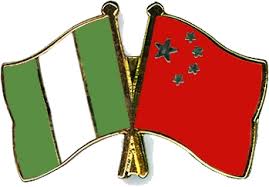
Nigeria and China have reaffirmed their commitment to strengthening cultural diplomacy, tourism and people-to-people relations through the 2026 Nigeria–China Food Festival.
The festival, themed **“Bridging Culture Through Cuisine,”** brought together government officials, diplomats, chefs, hospitality professionals and cultural practitioners as both countries marked 55 years of formal diplomatic relations.


Delivering the keynote address on behalf of the Minister of Arts, Culture, Tourism and Creative Economy, Barrister Hannatu Musa-Musawa, the ministry’s Permanent Secretary, Abdulkarim Ozi Ibrahim, said food plays an important role in preserving heritage, creating livelihoods and bringing people together.
“Food does not merely nourish the body. It tells stories, preserves heritage, creates livelihood, and brings people together,” the minister said.
She noted that Nigeria and China established diplomatic relations on February 10, 1971, and have since expanded cooperation across trade, infrastructure, education, technology, culture and people-to-people exchanges.
The minister said Nigeria’s tourism and creative industry mapping identified food and beverages as the largest sub-sector of the country’s tourism economy, making gastronomy an important part of Nigeria’s tourism identity and global cultural brand.
She added that the festival would create opportunities for chefs, food entrepreneurs, hospitality businesses and cultural practitioners to exchange knowledge, access new markets and promote Nigerian stories through cuisine.
Earlier, the Chinese Ambassador to Nigeria, Zhou Hongyou, described the festival as a meeting point between two ancient civilisations with rich culinary traditions.
He said food provides an important window into the history, geography and identity of a people, noting that guests would experience 14 dishes representing China’s major culinary regions alongside Nigerian delicacies from the country’s six geopolitical zones.
The ambassador said China and Nigeria would continue to deepen cooperation in culture, education, arts, sports and youth development while strengthening people-to-people exchanges.
He also highlighted growing economic relations between both countries, saying China’s zero-tariff treatment for eligible African countries offered Nigeria an opportunity to increase its exports to the Chinese market.
In his remarks, the Director-General of the National Institute for Hospitality and Tourism (NIHOTOUR), Aare Abisoye Fagade, said Nigeria possesses a rich culinary heritage capable of supporting a globally recognised food tourism industry.
He said the country must package, standardise, promote and commercialise its indigenous cuisines while preserving their authenticity.
Fagade added that the success of the festival should be measured by the partnerships, businesses, skills and friendships it generates.
The event featured Nigerian and Chinese cuisines, cultural performances and food exhibitions, providing another platform for both countries to strengthen friendship and explore opportunities in tourism, hospitality and the creative economy.
